Choosing a Subway Tile Shower Pattern for Lunenburg Homes
Choose a Pattern That Fits Your Shower
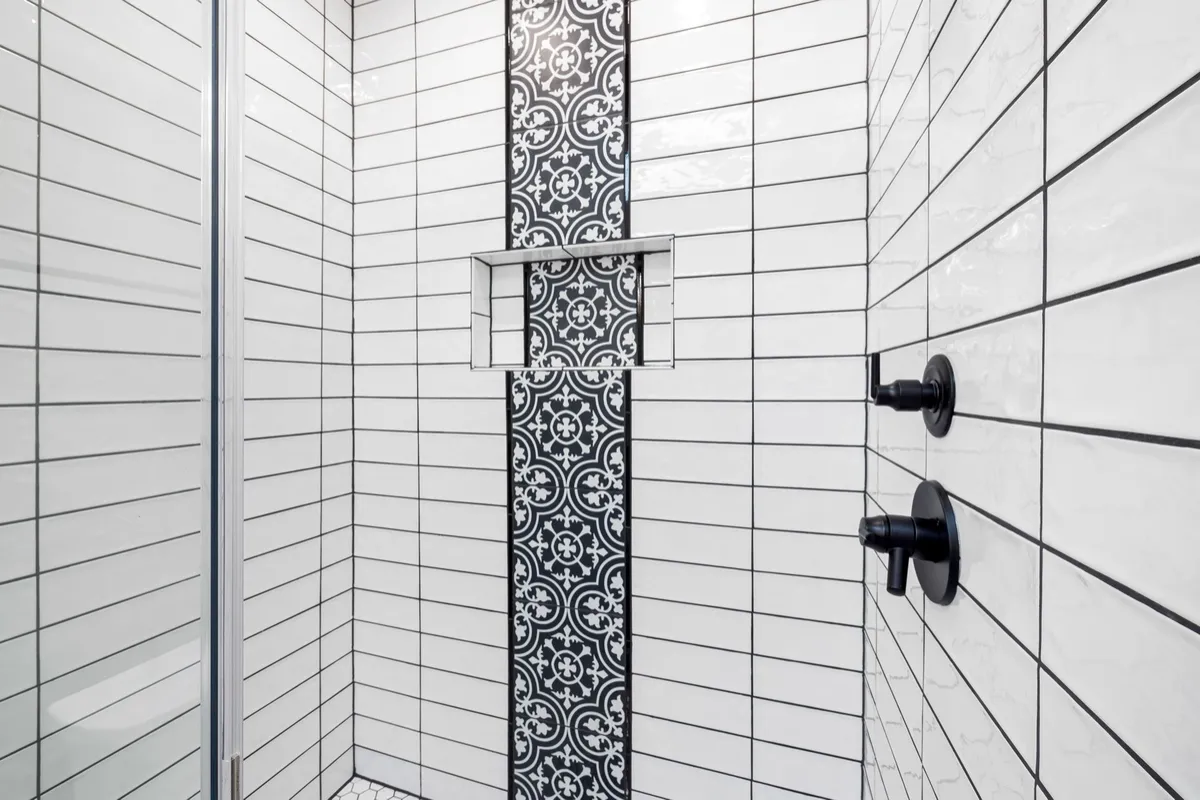
A 3 by 6 or 4 by 12 porcelain tile is a practical choice for a subway tile shower in Lunenburg. We usually recommend a running bond for a familiar classic look, a straight stack for a clean modern feel, and herringbone as a smaller accent instead of a full shower wall for most budgets. The pattern affects more than style. It changes how the wall lines look, how many cuts are needed, and how much preparation the shower needs before tile goes up.
Running bond can soften the look of slightly uneven walls. Straight stack makes uneven framing, plaster transitions, and out-of-square corners easier to spot. Before choosing a layout, we measure the shower carefully, especially in older homes with plaster walls or cast iron tubs. A November planning visit also gives you time to choose tile, grout, fixtures, niches, and shower details before a winter or early spring remodel.
Compare Running Bond, Stack, and Herringbone
Running bond is the offset subway pattern most people recognize. With common 3 by 6 tile, a 50 percent offset often works well. Larger rectangular tile may need a different offset, based on the tile maker’s requirements, to avoid lippage where one tile edge sits higher than the next.
Straight stack creates even rows and a more structured look. Vertical stack uses the same clean lines but runs the tile upward, which can help a lower ceiling feel taller. Both layouts need careful wall preparation. If the wall is not flat, the grout lines can look crooked even when the tile itself is installed correctly.
For a more detailed look, herringbone has real tradeoffs:
It needs more cuts than running bond or stack.
It creates more tile waste.
It takes longer to lay out accurately.
It works well on a niche back, upper wall section, or one feature wall.
In many older homes around Lunenburg, Fitchburg, and Leominster, we find uneven framing and plaster conditions that affect the final layout. A herringbone accent can add character without making every shower wall feel overly busy. You can see the type of planning involved in a tile shower project before deciding how much pattern you want.
Match Tile, Material, and Grout to Daily Use
Tile size changes both the look and the cleaning routine. Traditional 3 by 6 subway tile has more grout lines, which gives the wall a familiar grid pattern. A 4 by 12 tile has fewer joints and can make a larger shower feel calmer. Large-format tile is often used on walls and bathroom floors, while small mosaics are commonly used on shower floors because the pieces follow the slope and the extra grout joints add grip.
Material matters, too. Porcelain is dense, durable, and has low water absorption, making it a strong choice for busy showers. Ceramic can be a lower-cost choice for shower walls when it is rated for that use. Natural stone has a different look, but it needs more maintenance and sealing. We make sure you understand that commitment before it becomes part of the plan.
Grout should fit how the shower will be used:
Cement-based grout is common and usually costs less.
Epoxy grout offers stronger stain resistance.
Epoxy can be worth the added cost on shower floors or with light grout colors.
Grout color often affects everyday cleaning as much as tile size does.
For a bathtub surround, the same choices apply, though the wall layout and waterproofing details differ from a full shower. Our tile bathtub surround work can help you compare those options.
Know What Protects the Walls Behind the Tile
Tile and grout are not the waterproof layer. A shower needs a properly sloped mortar bed or preformed pan, a waterproof membrane, and a drain assembly that connects correctly to that system. The slope moves water toward the drain. The membrane protects the wall and floor structure. The drain connection keeps water from finding a path behind the tile.
A detailed scope should name the waterproofing system. Homeowners may see Schluter Kerdi, Wedi, RedGard, or Laticrete Hydro Ban listed. “Waterproofing included” is not enough information to compare one quote with another.
Older north central Massachusetts homes can need extra preparation before tile is installed. Plaster walls, uneven subfloors, old tub surrounds, and framing that has moved over time can all affect the finished surface. Addressing those conditions helps keep tile lines straight and reduces movement that can crack grout or tile later.
Read Quotes for Scope and Warning Signs
A complete shower quote should clearly identify demolition, wall preparation, the shower pan or mortar bed, the waterproofing system, drain details, tile installation, grout, niche work if included, and cleanup. Without those details, a low quote can be hard to compare fairly.
Watch for warning signs such as tile installed directly over drywall in a shower, no named waterproofing system, no explanation of floor slope, or unclear tile allowances and labor scope. Shower cost can change with size, demolition, wall repairs, tile size, pattern complexity, niche details, grout type, and waterproofing scope. We recommend reviewing each of those items before choosing a design based only on the visible tile.
The best pattern is one that fits the shower size, wall condition, cleaning preferences, and budget. The pattern is what you see every day, but the pan slope, waterproof membrane, drain assembly, and wall preparation determine how the shower performs over time.
Get A Shower Plan That Fits Your Home
Grams Tile can help you choose a pattern, tile size, and layout that work with your space and budget. See options for a subway tile shower in Lunenburg and ask questions about the work behind the tile. For a free estimate, contact us or call (978) 382-0639.
FAQs
What Subway Tile Pattern Is Easiest To Maintain?
A larger 4 by 12 wall tile has fewer grout lines than 3 by 6 tile, so there is less grout to clean. Still, grout color and grout type matter just as much. A medium-toned grout often hides everyday marks better than bright white, and epoxy grout can offer stronger stain resistance in heavily used showers.
Can Subway Tile Be Used On A Shower Floor?
Subway tile can be used in certain floor layouts, but small porcelain mosaic is often the more practical choice. Mosaic pieces follow the shower floor slope more easily, and the added grout joints help provide traction underfoot.
Do Older Lunenburg Homes Need Extra Preparation?
They often do. Plaster walls, uneven framing, cast iron tubs, and uneven subfloors can require added preparation before tile work begins. Depending on the remodel scope, local permits may also be required. Massachusetts shower compartment requirements include a minimum finished interior area of 900 square inches and a minimum interior dimension of 30 inches, subject to the current applicable code and project conditions.
