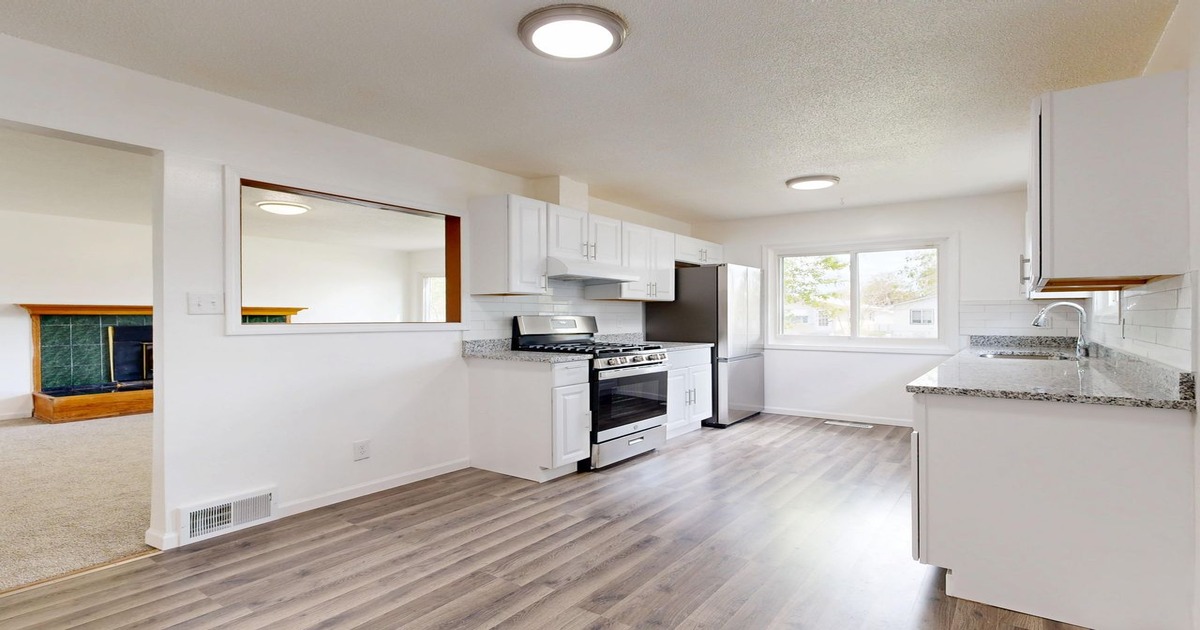
Kitchen Remodeling in Lunenburg Starts with Wall Prep
Wall Prep Protects Your Kitchen Tile Investment
Kitchen remodeling in Lunenburg, MA starts with checking wall condition before tile is selected or installed. For tile with one side longer than 15 inches, ANSI tile installation guidance calls for the wall to vary no more than one eighth inch in 10 feet and one sixteenth inch in 2 feet. That flatness matters long before the first tile goes up.
A 12 by 24 inch porcelain tile can show a low spot, hump, or crooked wall much faster than a smaller tile. We look at what is behind the tile so it can sit flat, grout joints can stay even, and finished lines look intentional. Our kitchen remodeling work begins with those details, not just a tile sample.
Kitchen Remodeling in Lunenburg, MA Begins with a Wall Check
A wall can look fine from across the kitchen and still cause trouble once tile is installed. Long tile edges bridge across dips and high spots. That can leave uneven joints, lippage between tile edges, or lines that pull your eye in the wrong direction.
Before we plan the tile layout, we check for conditions such as:
Loose drywall, plaster, or old patch material
Cracks, old adhesive, and uneven surfaces
Water damage near the sink or backsplash area
Walls that are out of plane, meaning they do not lie flat in the same direction
Wall prep may mean removing weak material and correcting the surface before tile is set. The exact decision depends on what the wall is made of and how sound it is. Covering a weak wall does not make it stronger.
Older Lunenburg homes can add another layer to the conversation. We often find plaster walls, past repairs, and framing that has shifted over time. Those conditions may not be visible until the existing finish is removed, which is why the wall check belongs in the planning stage.
Older Massachusetts Walls Need an Honest Plan
In mill-era homes around Fitchburg and Leominster, walls may have several layers of old finishes, uneven framing, or plaster that is no longer firmly attached. A modern tile layout needs a stable, reasonably flat backing surface, even if the kitchen itself is not exposed to the same moisture as a shower.
Tile backing and waterproofing are not the same thing. A kitchen backsplash does not automatically need a full shower waterproofing assembly. Systems such as Schluter Kerdi, Wedi, RedGard, and Laticrete Hydro Ban are used where a true waterproof assembly is needed, including a tile shower or bathtub surround. Our tile shower work involves that different level of moisture protection.
Still, kitchen tile should never be installed over loose, cracked, or unstable wall material just because tile will cover it. The tile is only as dependable as the surface beneath it.
For larger kitchen remodels, permit needs can depend on the full project scope. We recommend confirming local requirements with the Lunenburg Building Department, or the building department in your town, before locking in the schedule.
Tile, Grout, and Scope Details Matter
Wall prep and tile selection work together. Large-format porcelain can reduce the number of grout joints on a kitchen wall. Smaller tile, including mosaics, creates more grout lines and more areas to clean. Neither choice is automatically better. The right one depends on the look you want, the wall condition, and how much upkeep you want to take on.
Common choices include:
Porcelain, which has water absorption of 0.5 percent or less and works well in many kitchen tile areas
Ceramic, a practical lower-cost option for some wall applications
Natural stone, which has a distinct look but usually needs more care and product-specific maintenance
Cement-based grout, a common choice for many kitchens
Epoxy grout, which costs more but can make sense where stain resistance and lower absorption matter
Premium tile and grout cannot hide an uneven wall. The backing still controls how straight the finished work looks.
A clear project scope should explain the planned tile size, grout type, layout direction, removal needs, and wall preparation that is included. It should also explain how hidden plaster damage or uneven framing will be handled after removal. Those details help prevent surprises and make tile proposals easier to compare fairly.
Get A Clear Plan Before Tile Goes Up
Grams Tile can review your walls, tile layout, and kitchen use before the work begins. For kitchen remodeling in Lunenburg, MA, we help you make choices that fit your home and daily routine. If you are ready to discuss your project, contact us or request a free estimate at (978) 382-0639 to set up a conversation.
Questions to Settle Before Kitchen Tile Work Starts
Why Does A Kitchen Tile Wall Need Prep Before Tile Goes Up?
Tile follows the wall beneath it. If the wall is weak, wavy, or out of plane, the finished tile can look uneven and grout joints may not stay consistent. Prep gives the tile a stable surface and helps the layout look planned rather than forced.
Can Tile Be Installed Over Plaster In An Older Massachusetts Home?
Sometimes, but only if the plaster is sound, flat, and firmly attached. A wall inspection should happen before the tile plan is finalized. Old plaster that is loose or cracked needs attention before it becomes the backing for new tile.
What Should I Ask For In A Tile Quote?
Ask what wall prep is included, what tile size is planned, what grout type is included, and how layout decisions will be handled. It also helps to ask how hidden wall conditions will be addressed if they appear after old material is removed.
When Should I Start Planning?
Early fall is a useful time to inspect walls, choose tile, and plan around holiday kitchen use. Rushing material choices or skipping the wall check to meet a short deadline can create problems that stay visible long after the project is finished.
