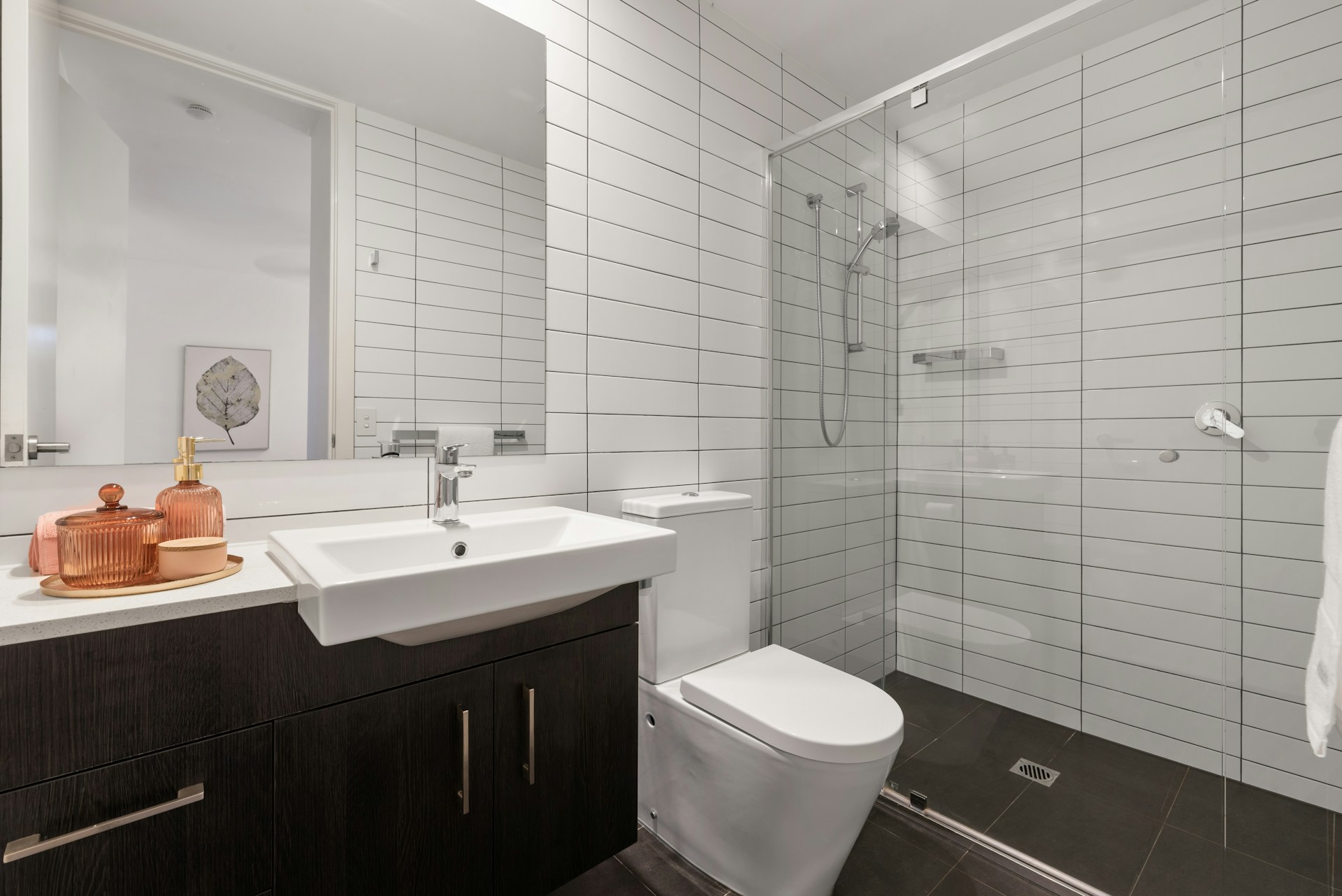
Is Subway Tile Right for Your Lunenburg Shower Remodel?
Refresh Your Shower with a Classic, Modern Look
Updating a shower is one of the quickest ways to make a bathroom feel fresh and welcoming. Around late summer, many Lunenburg homeowners start thinking about projects like this, especially with kids going back to school and the holidays not too far off. A cleaner, brighter shower makes mornings easier and guest stays less stressful.
One of the most popular choices we see for a shower remodel is simple subway tile. It has a classic look, works in both older New England homes and newer builds, and can fit a wide range of styles. In this article, we will talk about what subway tile is, why it is such a common pick for a subway tile shower in Lunenburg, the pros and cons, design ideas, maintenance, and how it fits different budgets and project timelines.
Why Subway Tile Works so Well in Lunenburg Homes
Subway tile is usually a small rectangular ceramic or porcelain tile, often in sizes like 3 by 6 or 4 by 12. It started as a very simple wall tile, but now it is used in showers, kitchen backsplashes, and even full feature walls. The shape is familiar and calm, which is part of its appeal.
In our area, subway tile pairs nicely with many local home styles. It looks right at home in:
Classic Colonials
Cape-style houses
Farmhouses and converted barns
Modest ranches and newer builds
Because it is so simple, it works with many design moods. It can lean farmhouse with warm wood and black hardware, coastal with soft blues and brushed nickel, or minimalist with crisp white-on-white. Many homeowners use subway tile to update a dated bathroom without changing the whole layout or tearing out every surface.
Visually, subway tile gives clean, straight lines. When installed correctly, those lines help small bathrooms feel more organized and open. Light-colored tile can bounce light around, which helps in older homes that may have smaller windows or none at all in the bathroom. Buyers tend to recognize a well-done subway tile shower as a sign that the space has been cared for, which can be helpful if you might sell in the future.
Pros and Cons of a Subway Tile Shower in Lunenburg
Subway tile has a lot going for it, especially for a shower remodel on a realistic budget.
Some of the main pros include:
Budget-conscious but still polished, especially when paired with a nice shower niche or special floor tile
Easy to coordinate with almost any vanity style, fixtures, or paint color
Readily available through local suppliers, which can help keep your project on track
Because it is so flexible, subway tile also makes future updates simpler. If you change your vanity color or swap out fixtures in a few years, you are less likely to feel stuck with a shower that clashes.
There are a few cons to think about:
It can feel plain or generic if every surface is the same white tile in a basic layout
Smaller tile means more grout lines than large-format tile, which some people do not love cleaning
Inconsistent installation, like uneven lines or messy corners, can really stand out with such a simple design
This is where a professional installer makes a big difference. Careful layout planning keeps cuts even and lines straight, especially around niches, windows, and benches. Good grout products help with color, cleaning, and long-term durability. Thoughtful design details, like how the tile ends at the ceiling or door trim, keep the shower from looking flat or unfinished.
Design Ideas to Make Subway Tile Truly Yours
Subway tile does not have to be boring. There are many ways to use it so your shower feels personal and special to your home.
First, think about layout. Some popular options are:
Classic brick pattern with staggered joints
Straight stack, either horizontal or vertical, for a modern feel
Herringbone, often on one wall or in a niche, as a feature
Mixed patterns, like brick on main walls and herringbone in the niche
Grout color is another simple way to shift the look. Light grout with light tile feels soft and spa-like. It reflects more light and tends to blend into the background. Dark or contrasting grout outlines each tile and creates a more graphic, modern look. It can also help everyday marks blend in a bit better.
To add more character, many homeowners like to:
Add one or more shower niches with a different tile inside
Use an accent strip at eye level or a full feature wall behind the shower head
Pair subway walls with patterned floor tile or a pebble shower floor
Bring in wood-look tile, warm metals, or stone-look counters to soften all the straight lines
It also helps to think about how the shower ties in with the rest of the bathroom. Matching or coordinating the tile with your vanity top, flooring, and fixtures gives a calm, connected feel, instead of a space that looks like it was remodeled in separate pieces.
Maintenance, Durability, and New England conditions
Our weather in New England shifts from humid summers to dry winters, and bathrooms feel that change. The good news is, subway tile handles these conditions well when installed correctly.
Daily care is simple. A quick squeegee or towel wipe on the walls and glass after showers can slow down soap scum and water spots. Mild cleaning products and a soft brush or cloth are usually all that is needed for deeper cleaning.
Grout and moisture are big concerns in older homes, especially if previous work did not focus on waterproofing. Behind the tile, there should be a proper waterproof system to protect the walls and framing. Quality grout products and, when appropriate, sealants can help reduce staining and mildew growth, and keep the shower looking cleaner between scrubs.
A well-installed subway tile shower is built to handle everyday family life, from kids to frequent guests. Because it is a classic look, it also tends to age well over the long term, which is important if you only plan a full bathroom remodel every decade or two. Many people find that planning a remodel so it wraps up by fall feels comfortable, since work is indoors and the space is ready before the busy guest season.
Cost, Timeline, and When to Go Beyond the Shower
The overall cost and schedule for a subway tile shower in Lunenburg depend on several factors. These include the tile you pick, the size and shape of the shower, how complex the layout is, and whether you are updating just the shower or the entire bathroom.
In general, a typical shower project includes:
Demo and prep, including checking existing framing and plumbing
Waterproofing and backer installation
Tile layout, setting, and grout
Fixture install and finishing touches
Planning ahead can help you get the timing you want, especially if you hope to finish before cooler weather or family visits. Many homeowners like to book work in late summer to lock in fall dates, giving enough time for design choices and materials to arrive.
Sometimes a simple shower update is enough. Other times, the project reveals signs that it is smarter to go further, like damaged subflooring, outdated plumbing, or a layout that is awkward for daily use. In those cases, expanding the project to include new flooring, updated fixtures, or a reworked layout can make the bathroom more comfortable and safer in the long run. A subway tile shower can be the centerpiece of a full remodel, tying together new floors, vanity, and lighting for a complete fresh start.
Get Started With Your Project Today
If you are ready to transform your bathroom with timeless style and practical durability, we are here to help guide every step. Explore how a custom Subway tile shower in Lunenburg can be tailored to your space, budget, and design preferences. At Grams Tile, we work closely with you to select materials, layout, and finishes that fit the way you live. Have questions or want to schedule a consultation? Simply contact us to discuss your project.
