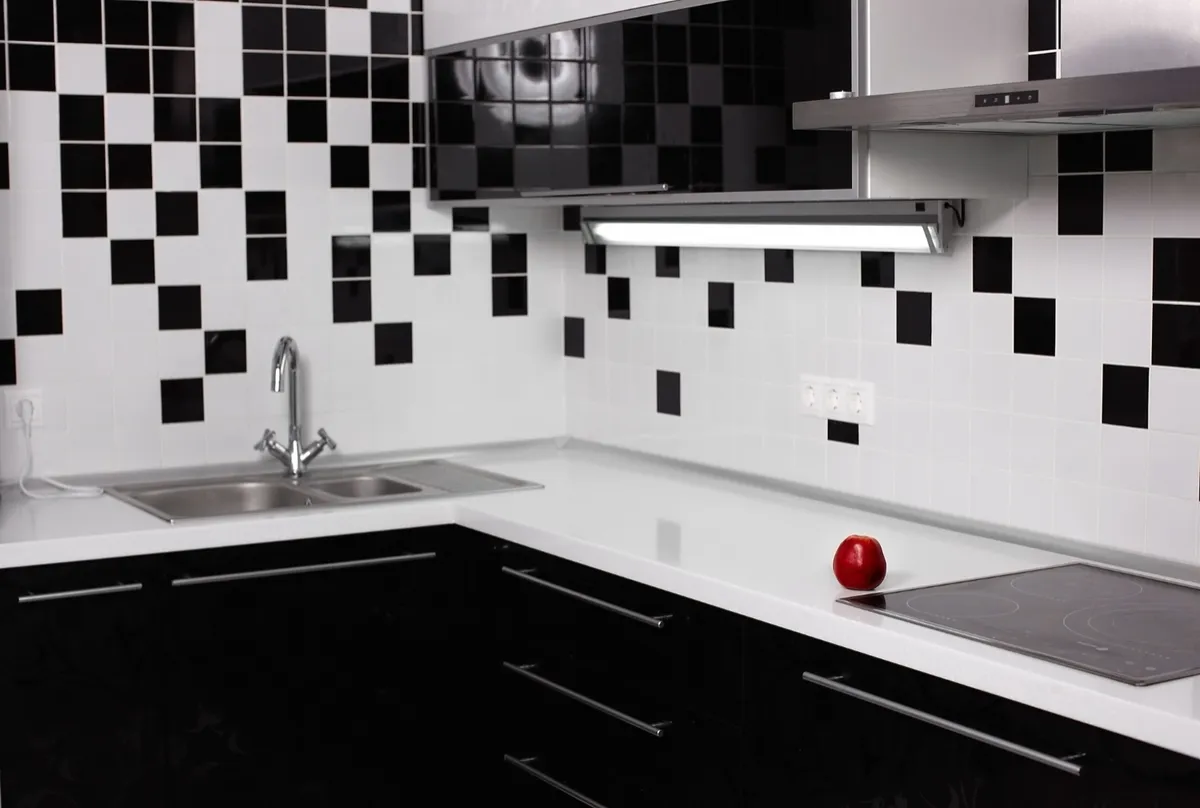
Why Epoxy Grout Fits Lunenburg Kitchen Backsplash Tile
Epoxy Grout for a Full Kitchen Remodel
For a full kitchen remodel in Lunenburg, epoxy grout is a strong fit for tile behind sinks and cooktops because it resists stains better than standard cement-based grout and does not need routine sealing. It meets ANSI A118.3 performance standards. LATICRETE SPECTRALOCK PRO Premium Grout, one epoxy option, is rated for joints from 1/16 inch to 1/2 inch wide.
Porcelain tile is a practical match behind sinks and cooktops because it has a water absorption rate of 0.5 percent or less under ANSI A137.1. Cooking oil, tomato sauce, coffee, grease, and frequent wipe-downs all reach a kitchen tile wall. Your grout choice matters as much as the tile itself. Epoxy costs more and takes more skill to install, but it can mean less maintenance. October is a good time to choose tile and grout before holiday cooking puts extra pressure on the kitchen.
Why Epoxy Grout Fits a Lunenburg Kitchen
Compared with cement-based grout, epoxy grout does not absorb everyday spills as easily. That makes cleanup simpler, especially with light grout colors. Cement grout is usually the lower-cost choice and can work well for a low-use kitchen tile area or a tighter project budget, but it commonly needs periodic sealing.
We often recommend weighing the amount of grout you will actually see and clean. A 3-by-6-inch subway tile backsplash in a full kitchen remodel has many more grout lines than a layout made with larger tiles. More joints mean more places for grease or sauce to settle.
This grout is often worth considering for:
White subway tile with light-colored grout
Tile behind a range or cooktop
Mosaic tile with many small joints
Kitchens that get frequent use and wipe-downs
A cleanable grout cannot fix a poorly prepared wall. In Lunenburg and nearby north central Massachusetts towns, we often see older kitchens with patched drywall, plaster, or uneven walls behind old tile materials. Grout protects the finished surface, but sound tile installation starts behind the tile. Our tile project information reflects the same focus on preparation and lasting materials.
When the Epoxy Upgrade Makes Sense
The best value is not always the lowest upfront grout cost. Epoxy can make sense where splatter is common, where grout is light in color, or where cleaning around many joints would become a chore. Mosaic tile is a good example. It can create a detailed look, but every small piece adds grout lines.
Cement-based grout can still be the right choice for a simple kitchen tile layout with fewer joints, darker grout, or a budget that needs to focus on wall repair and tile selection first. We explain those tradeoffs clearly so you can put your budget toward the parts of the kitchen that matter most.
For a full kitchen remodel, Grams Tile will provide a written range for the tile portion of the project and a separate epoxy grout upgrade range based on tile size, grout-joint width, wall condition, and tile square footage.
Several details can change that written range:
Removal of existing tile material
Plaster repair or damaged drywall repair
Outlet adjustments by the appropriate trade
Tile layout, including mosaic versus larger tile
Epoxy grout selection and joint width
A lower-cost grout can be reasonable. Before choosing it, we recommend comparing the expected cleanup and maintenance with the look you want to keep over time.
Hidden Details That Protect the Finish
Before tile goes on the wall, we remove existing material carefully and look for loose adhesive, damaged drywall, and unstable plaster. The wall must be flat enough for the selected tile. Large-format tile shows dips and high spots more clearly than smaller subway tile.
Layout matters, too. We plan outlet cuts, edge trim, cabinet lines, and end pieces so the tile looks balanced. Thin strips of tile at the end of a run or awkward cuts around outlet covers can make an otherwise good tile choice look unfinished.
A dry interior kitchen tile wall does not normally need a shower waterproofing membrane such as Schluter Kerdi, Wedi, RedGard, or Laticrete Hydro Ban. It does need a clean, sound substrate and the correct mortar for the tile material. For dry interior tile work, mortar coverage should provide at least 80 percent contact between the tile and substrate, including good coverage at edges and corners.
Older homes in Lunenburg, Fitchburg, and Leominster can have plaster walls, past repairs, and walls that are not square. Mill-era homes may need added layout planning around cabinets, windows, and countertop lines. The same attention to hidden support applies to work such as a tile shower installation, where the surface finish depends on what is properly built behind it. Epoxy grout performs best when the tile below it is aligned, supported, and bonded correctly.
Red Flags in a Kitchen Remodel Tile Quote
A quote should explain more than “install tile.” We recommend asking whether it includes removal, wall preparation, setting materials, grout, edge trim, tile layout, and final cleanup. It should also identify the grout by name and explain how mosaic tile or epoxy grout changes the work.
Watch for quotes that leave out:
Repair of damaged drywall or plaster
Surface flattening for large-format tile
Grout type, color, and joint size
Planned cuts near outlets, cabinets, and countertops
Cleanup expectations after grouting
Unlike standard cement grout, epoxy grout has a shorter working window. It needs thorough cleaning during installation so residue does not dry on the tile face. Rushed cleanup can leave epoxy haze, especially on textured tile. We discuss tile texture, grout color, joint size, and the cleanup plan before work begins.
Your final choice should come down to tile size, grout color, number of joints, tile location, wall condition, and budget. Tile behind a range with white subway tile may justify epoxy grout, while a simple darker-grout layout may not. Careful planning before winter kitchen projects helps you make those choices without rushing the finish.
FAQ
Is epoxy grout worth the extra cost in a full kitchen remodel?
Epoxy grout can be worth the upgrade for light-colored grout, mosaic tile, and tile behind a range or cooktop. Cement-based grout can be a reasonable lower-cost choice for darker grout and layouts with fewer joints.
Should porcelain tile be used for kitchen walls?
Porcelain is a practical choice because it has a water absorption rate of 0.5 percent or less under ANSI A137.1. It handles frequent wipe-downs well and works with both cement-based and epoxy grout.
What should be included in a kitchen remodel tile quote?
The quote should list removal, wall preparation, setting materials, grout type, edge trim, tile layout, planned cuts, and cleanup. In older Lunenburg-area homes, it should also address plaster repair, damaged drywall, or uneven walls before tile is installed.
Get a Clear Plan for Your Backsplash
For a kitchen tile backsplash in Lunenburg, we can help you choose tile and grout that fit your kitchen and budget. Grams Tile will review the wall condition, layout, and materials before work begins. Contact us for a free estimate, or call (978) 382-0639.
