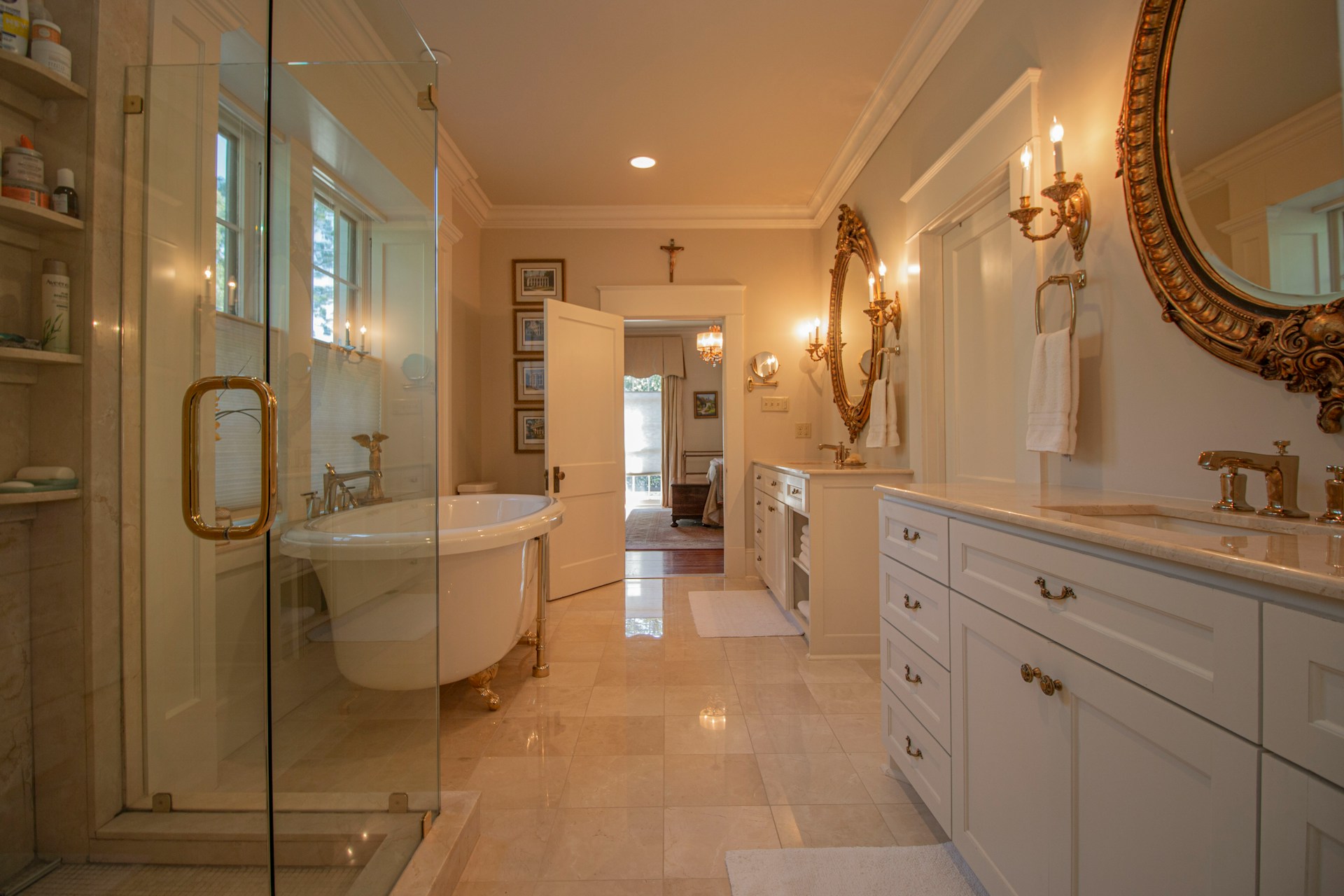
What Makes Bathroom Floor Tile Work in Lunenburg Homes Last?
Build a Bathroom Floor That Stands the Test of Time
Bathroom floor tile in Lunenburg has a hard job. It sees wet boots in winter, muddy feet in spring, and kids and pets running through all year. If the floor is not built the right way, it will start to crack, stain, or feel loose underfoot.
A long-lasting tile floor is not about luck. It comes from picking the right tile, building a strong base, using good installation methods, and keeping up with simple care. As a local tile and remodeling contractor, we work in Lunenburg homes all the time, so we understand older framing, uneven subfloors, and constant moisture. Here is how to get a bathroom floor that looks great and works hard for years.
Why Lunenburg Bathrooms Are Tough on Tile
New England weather puts a lot of stress on bathroom floors, even though they are inside. The changes in temperature and humidity show up in the way floors move and wear.
A few local pressure points include:
Freeze and thaw cycles that make framing expand and contract
Tracked-in road salt and sand that scratch finishes and stain grout
Humid summers followed by dry winters that stress joints and caulk lines
Many Lunenburg homes also have older framing. That can mean:
Subfloors that are not level or feel bouncy in spots
Joists that need stiffening so tile will not crack
Tight bathroom layouts where every drain location and slope really matter
On top of that, bathrooms see constant daily use. Water from showers and baths, splashes at the sink, and wet towels on the floor slowly soak into grout and underlayment if the system is not built to handle it. Family bathrooms and guest baths see even more traffic, plus pet paws, toys, and dropped items. All of this adds up to a floor that must be planned, not guessed.
Choosing Bathroom Floor Tile Materials That Last
The tile you pick is your first line of defense. Not every pretty tile is right for a wet, busy Lunenburg bathroom.
For floors, we often recommend:
Porcelain tile for most bathrooms, because it is dense, water-resistant, and very durable
Ceramic tile for lighter use spaces, when slip resistance and finish are right
Natural stone only when you are ready to keep up with sealing and extra care
Porcelain usually wins in bathrooms because it absorbs very little water, stands up to heavy traffic, and handles temperature swings well. Stone like marble or limestone can look beautiful, but it is softer, more porous, and needs regular sealing and gentle cleaners.
Safety is just as important as looks. In a wet bathroom, you want:
Tiles with texture or grip, not a glassy, slick finish
A good COF for wet floors, so feet do not slide easily
Smaller tiles or mosaics in areas where slipping is a concern, since more grout joints mean more traction
Finishes and grout choices matter too. Matte or low-sheen tiles usually hide water spots and light scratches better than polished surfaces. When it comes to grout, it helps to think about:
Sanded vs unsanded grout, matched to the joint width and tile type
High-performance or epoxy grout in harder-working bathrooms, for better stain and crack resistance
Mid-tone grout colors, which often hide daily dirt and minor discoloration better than bright white
Subfloor Prep and Installation Methods That Protect Your Tile
The tile you see is only as strong as the layers underneath it. A stiff, well-prepped subfloor is one of the biggest keys to a long-lasting bathroom floor.
In many Lunenburg homes, we start by checking:
Thickness and condition of the existing subfloor
Joist spacing and movement when you walk across the room
Levelness and flatness, not just in the open areas but around tubs and vanities
If the floor is not stiff enough, tile and grout will crack over time. Strengthening joists, adding or replacing subfloor panels, and leveling low spots are standard steps in older houses.
Moisture protection is another big piece. A durable bathroom floor usually includes:
Cement backer board or a proper tile underlayment over the subfloor
Waterproofing or crack isolation membranes in key zones
Careful sealing around the tub, shower, and toilet area
Movement is normal as houses shift with seasons, so tile systems must be able to flex a bit without failing. That is where expansion gaps at the room edges and movement joints in larger spaces help keep tile from tenting or loosening.
Professional installation details pull it all together. The right installer will:
Match the thin-set to the tile type, especially porcelain and large-format tile
Use the correct trowel size and back-buttering where needed for full coverage
Plan layouts to avoid tiny slivers of tile in doorways or high-traffic spots
Check for lippage as they work so tiles feel smooth under bare feet
Maintenance Habits That Keep Tile Floors Looking New
Once the floor is built correctly, simple habits help it stay that way. You do not need fancy products, just the right ones used on a regular schedule.
For cleaning, we suggest:
Mild, pH-neutral cleaners that are safe for grout and sealers
Avoiding harsh chemicals, bleach-heavy products, and oil-based soaps that can damage finishes
Soft mops or cloths instead of rough scrub pads on the tile surface
Weekly and monthly routines make a big difference. Wiping up puddles, drying around the tub and toilet, and cleaning up road salt or sand as soon as you see it will help protect grout and tile. Keeping shower doors or curtains open after use and running a fan pulls extra moisture out of the room.
Through the seasons, it helps to:
Reseal grout or stone tile on a regular schedule, especially after winter
Watch for new stains near doorways or baseboards that could mean moisture is sneaking under the floor
Use bath mats that dry quickly and do not trap water against the tile for days
Busy households can also protect their floors by addressing small problems early. A loose tile, soft spot, or new crack in the grout is a sign something is changing underneath and should be checked before it spreads.
When to Invest in a New Bathroom Tile Floor
Even with good care, some bathroom floors reach a point where patching no longer makes sense. Knowing the signs helps you plan ahead and avoid surprise repairs later.
You may be ready for a new floor if you notice:
Spiderweb cracks running across several tiles
Tiles that keep coming loose in the same area after repairs
Grout that crumbles or falls out again and again
Water damage is another red flag. A musty smell, bouncy or soft areas, or stains at the baseboard or on the ceiling below the bathroom suggest moisture has been trapped under the floor. At that stage, replacing only the surface tile rarely solves the real problem.
A professionally planned remodel can be a chance to do more than just change the look. It can:
Upgrade waterproofing and underlayment for better long-term protection
Correct structural issues that have been hidden for years
Improve layout, drainage, and accessibility for the way your family lives now
Many Lunenburg homeowners like to schedule this work in late summer or early fall, when temperatures are fairly stable and windows can be opened for ventilation. Planning around school schedules and busy holiday times makes the project easier on everyone in the house.
A bathroom floor that outlasts trends and seasons is the result of smart choices from the framing up, careful installation, and simple, steady upkeep. When all those pieces come together, your bathroom can handle New England winters, muddy springs, and daily life without complaint.
Get Started With Your Project Today
If you are ready to refresh your space with quality craftsmanship, explore our options for bathroom floor tile in Lunenburg and see how we can tailor a design to your home. At Grams Tile, we help you choose materials, layout, and finishes that fit both your style and your budget. Share a few details about your project and we will walk you through the next steps, from estimate to installation. Have questions or need to schedule a consultation now? Just contact us and we will follow up promptly.
