
Lunenburg · Fitchburg · Leominster · Acton · Groton · Central Massachusetts
Tile Flooring Installation in Lunenburg, MA — Durable, Done Right
Grams Tile, Inc. installs porcelain, ceramic, and natural stone tile floors for homeowners in Lunenburg, Fitchburg, Leominster, Acton, Groton, and across north-central Massachusetts. Proper subfloor preparation included on every project.
Professional Tile Flooring for Homes in Central Massachusetts
Tile flooring is one of the most durable and low-maintenance surfaces available for Massachusetts homes — when it is installed correctly. At Grams Tile, Inc., we install tile floors for homeowners in Lunenburg, MA and surrounding communities, building floors that stay level, stay clean, and hold up to daily foot traffic for years.
We install tile flooring in bathrooms, kitchens, entryways, mudrooms, and other areas of the home. Every installation starts with proper subfloor preparation, the step that determines whether a tile floor holds up or develops problems over time.
Tile Flooring Materials We Install
Porcelain Tile Flooring
Porcelain is our most recommended tile for floors. It is dense, absorbs very little water, and holds up to cracking, staining, and wear better than ceramic over time. Large format porcelain in 24x24 or 24x48 formats is a popular current choice for bathrooms and kitchens. Fewer grout joints means less cleaning and a cleaner finished look. For bathroom floors specifically, a matte or textured finish porcelain is the right call for traction.
Ceramic Tile Flooring
Ceramic tile is a practical option for lower-traffic areas and rooms where moisture levels are moderate. It works well in powder rooms, laundry rooms, and guest bathrooms. For primary bathrooms and kitchens that take heavy daily use, we typically steer homeowners toward porcelain. The durability difference over a 10-year period is real.
Natural Stone Tile Flooring
Marble, slate, and travertine tile flooring adds a character to a home that manufactured tile cannot replicate. Natural stone requires precise substrate preparation, correct setting materials, and proper sealing. We install natural stone floors in homes throughout central Massachusetts for homeowners who want a premium result and understand the care requirements that come with it.
Why Subfloor Preparation Is the Most Important Step
Tile is rigid. Subfloors flex. That gap is the main reason tile floors crack, pop, and develop grout failures — especially in older Massachusetts homes where subfloors have decades of wear and often do not meet the deflection standards required for tile installation.
Before we install a single tile, we assess the subfloor: check for flex, repair soft spots, address height transitions between rooms, and where necessary install cement backer board or other approved underlayment to create a stable, tile-ready surface. This step adds time and affects the cost, but it is the reason our floors do not crack while others do.
A floor that looks fine from the surface can have movement problems that will destroy a tile installation within two to three years. We find this out before the tile goes down, not after.
Tile Flooring in Older Massachusetts Homes
A large share of the homes we work in across Lunenburg, Harvard, Groton, Fitchburg, and Leominster were built between 1950 and 1990. These homes frequently present conditions that newer construction does not: springy subfloors, old adhesive residue from previous flooring, height transitions between rooms that need to be addressed, and structural elements that require planning around.
We have installed tile floors in hundreds of older central Massachusetts homes. We know what to look for, how to address it, and how to plan around the realities of the existing structure. If the subfloor needs additional work, we tell you before the tile is ordered, not after.
What Does Tile Flooring Cost in Massachusetts?
Tile flooring installation costs in central Massachusetts depend on the room size, the tile selected, and the amount of subfloor preparation required. For a standard bathroom floor, most projects run between $1,200 and $3,500. Larger rooms, premium tile selections, and subfloor work that goes beyond standard preparation will increase the total.
We provide free estimates with a complete breakdown of materials, preparation, and labor. If we find unexpected subfloor conditions during demo, we talk through the options and updated cost with you before doing anything additional. No surprises mid-project.
Helpful Resources for Central Massachusetts Homeowners
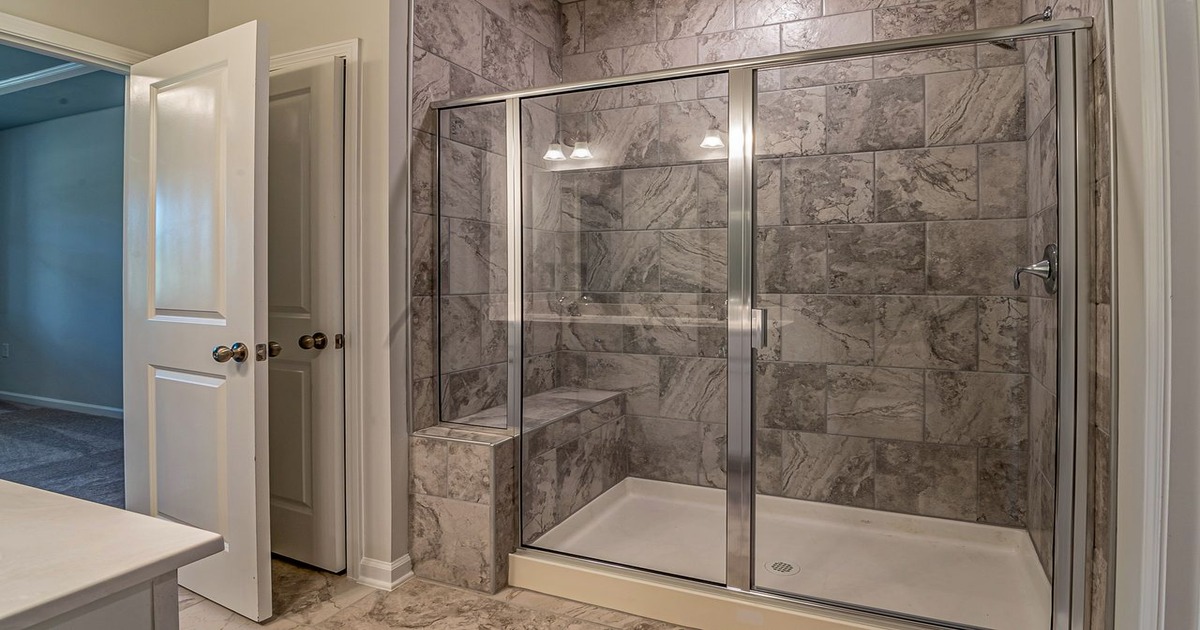
Should Your Lunenburg Tile Shower Include a Built-in Bench
Learn when a built-in bench adds comfort and function to custom tile showers in Lunenburg, plus waterproofing details that help prevent leaks. ...more
Tile Trends
September 13, 2026•6 min read
WHAT DO OUR CUSTOMERS SAY ABOUT US?
Tile Flooring — Frequently Asked Questions
What is the best tile for bathroom floors in Massachusetts?
For primary bathrooms in Massachusetts homes, porcelain tile is our top recommendation. It handles moisture, foot traffic, and temperature fluctuations better than ceramic over time. For shower floors specifically, small format porcelain mosaic in a 1x2 or 2x2 format is the right choice because it conforms to the slope more accurately and provides better grip.
How do I know if my subfloor can support tile?
The key indicator is deflection — how much the floor flexes underfoot. A floor that bounces or moves noticeably when you walk on it is not ready for tile without additional work. Older homes with thinner subfloor assemblies often need reinforcement. We assess every subfloor before providing an estimate and include any necessary preparation in the project scope upfront.
How long does tile flooring installation take?
A standard bathroom tile floor takes 1 to 2 days. Larger spaces like kitchens and entryways take 2 to 4 days depending on size and tile format. Subfloor preparation and mortar cure time factor into the overall schedule. We build the full timeline into the estimate so you know when the floor will be ready to use.
Can you install tile over existing tile flooring?
In some cases, yes. If the existing tile is fully bonded, level, and the additional height does not create a problem at doorways or transitions, tiling over existing tile is possible. In older homes where the existing tile may be poorly bonded or where subfloor issues are likely underneath, full removal and substrate assessment is usually the smarter long-term call. We evaluate this during the estimate.
Does Grams Tile install tile flooring in Fitchburg and Leominster?
Yes. Grams Tile installs tile floors throughout north-central Massachusetts including Fitchburg, Leominster, Lunenburg, Acton, Groton, Littleton, Harvard, Hudson, Lancaster, and Ayer. Call (978) 382-0639 for a free estimate.
PROUDLY SERVING THE LUNENBURG AREA

READY TO TAKE THE NEXT STEP?
REQUEST A FREE ESTIMATE TODAY!

40 Kingman Street
Lunenburg, MA 01462
(978) 382-0639