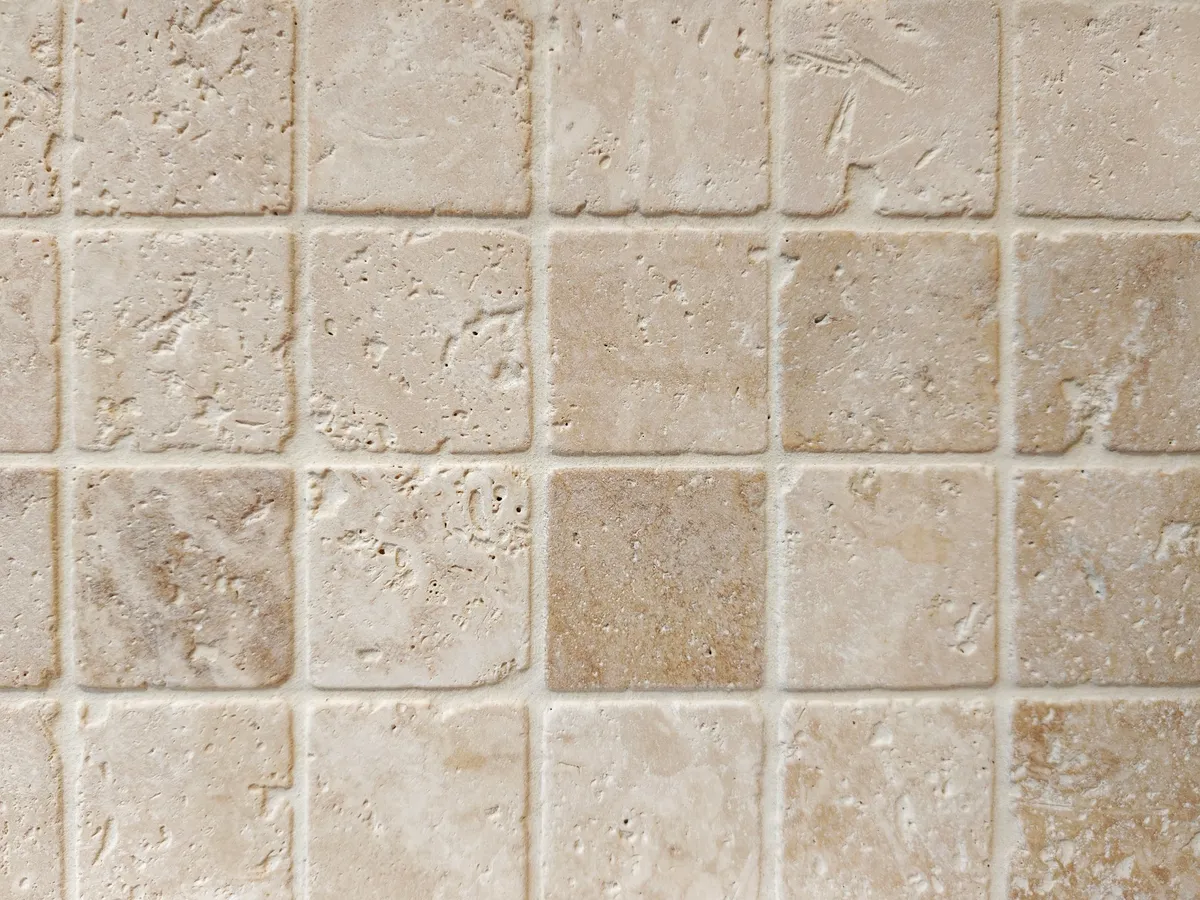
Where Natural Stone Tile Makes Sense in Lunenburg Bathrooms
Natural stone tile in Lunenburg makes the most sense on bathroom floors, vanity walls, shower walls, and bathtub surrounds when you want real material and are ready for regular sealing and careful cleaning. We usually steer people away from smooth stone on a shower floor. Small mosaic tile is safer because the added grout lines give you more grip on wet feet.
Stone can be a great choice, but the work behind it matters just as much as the surface you see. Before choosing it, we recommend looking at where the tile will go, how much water it will see, and what condition the existing bathroom is in.
Where Stone Works Best in a Bathroom
Honed stone can work well on a powder room floor, primary bathroom floor, or another low-splash area if the surface is flat and the finish has enough traction. Stone is also a good fit for shower walls, bathtub surrounds, and vanity walls. Those areas do not get the same wet foot traffic as a shower floor.
Different stones have different care needs:
Marble has a classic look, but acidic products can etch the surface.
Travertine has natural pits that need filling and sealing.
Slate has natural texture, but thickness and color can vary from piece to piece.
Granite and quartzite are generally denser, though both still need product-specific care.
We suggest viewing a sample in your actual bathroom lighting before ordering. A stone that looks warm under showroom lights can look very different next to your wall color, vanity, and bathroom fixtures.
When Porcelain Is the Smarter Choice
For a busy family bathroom, porcelain often makes more sense than natural stone. It has low water absorption, needs less upkeep, and can copy the look of marble, slate, or concrete without needing the same level of care.
Large-format porcelain tile, often 12 by 24 inches or larger, can work well on floors and walls when the surface below is flat enough. Natural stone is less forgiving of movement and unevenness, so surface preparation matters even more. If you like the appearance of stone but do not want to think about sealing or special cleaners, porcelain may be the better fit.
Our tile shower work often includes a conversation about this tradeoff early on. The best material is not always the most expensive-looking one. It is the one that fits how you use the room.
Waterproofing Is Behind the Tile
Tile and grout are not the waterproof layer in a shower. Stone shower walls need a complete assembly behind them to keep water from reaching the framing, subfloor, or wallboard.
A properly planned shower includes:
A sloped mortar bed or preformed shower pan that moves water toward the drain
A waterproof membrane behind the finished tile
A drain assembly connected correctly to the waterproofing system
Grout and flexible caulk joints in the right locations
In a detailed proposal, you may see systems such as Schluter Kerdi, Wedi, RedGard, or Laticrete Hydro Ban. Each system has its own parts and installation method. The product name matters because it tells you what waterproofing approach is being used, rather than leaving the hidden work vague.
Sealer is also not waterproofing. Most natural stone should be sealed to reduce staining and moisture absorption, but sealing happens at the finished surface. It cannot make up for missing protection behind the tile.
Plan for Shower Safety and Winter Comfort
Mosaic tile is common on shower floors for a reason. Its smaller pieces can follow the slope toward the drain, and the many grout lines add traction. Smooth, large stone pieces can become slippery when wet and can be difficult to fit correctly on a sloped floor.
Before selecting stone for a wet area, we talk through the finish, tile size, grout color, and traction. Polished stone may look appealing on a sample board, but a honed or textured finish can be a more practical choice under wet conditions.
November also brings a local concern. Natural stone floors can feel cold underfoot during a Massachusetts winter, especially in older homes with drafty rooms or uninsulated areas below. That does not rule out stone. It simply belongs in the decision before installation begins.
Older Homes Need a Careful Look
Many homes in Lunenburg, along with older homes in Fitchburg and Leominster, have uneven subfloors, plaster walls, older bathtub areas, or signs of past moisture damage. Heavy stone tile needs a stable, flat surface. If movement below the tile is not addressed, the finished bathroom can develop cracked grout, cracked stone, or failed caulk joints.
We inspect wall condition, floor flatness, tub edges, and areas that may have been exposed to water before setting tile. Cast iron tubs and plaster walls can change how a surround is prepared. Covering an existing problem with beautiful stone does not solve it. It only hides it until the damage returns.
Careful preparation is part of any bathroom tile project, but it is especially important with natural stone because stone does not handle movement as well as many porcelain products.
What a Complete Stone Tile Quote Should Explain
A clear quote should do more than say “install tile.” It should identify the material, tile size, installation area, demolition scope, substrate preparation, waterproofing system, shower pan or mortar bed, drain approach, grout type, caulk joints, sealing, and cleanup.
Be cautious when a shower quote leaves out the waterproofing product, does not explain the pan and drain assembly, or skips over surface repair. Shower walls, shower floors, and bathroom floors do not always need the same tile, grout, or finish.
Cement-based grout is common and may need sealing depending on the product. Epoxy grout costs more but has stronger stain resistance, making it worth discussing for shower floors and areas that see frequent water and soap exposure. A good stone plan matches the material to the surface, protects the structure behind it, and sets clear expectations for long-term care.
Plan Your Stone Tile With Clear Details
For help choosing natural stone tile in Lunenburg, we can review the room, tile layout, and installation conditions before work begins. Grams Tile will explain what the tile needs behind the surface, including waterproofing and floor preparation. Contact us for a free estimate, or call (978) 382-0639.
Frequently Asked Questions
Can natural stone be used on a shower floor?
It can, but small mosaic stone with a honed or textured finish is usually the safer choice. The smaller pieces follow the shower slope more easily, and the extra grout lines provide more traction than a smooth, large stone tile.
Does natural stone need to be sealed?
Most natural stone needs sealing to help reduce staining and moisture absorption. Sealer protects the finished surface, but it does not replace a waterproof membrane, properly sloped shower pan, or correct drain assembly behind the tile.
Is epoxy grout a good choice with natural stone?
Epoxy grout can be worth the added cost on shower floors and other areas with frequent water and soap exposure because it has strong stain resistance. Stone type and grout color still need to be chosen carefully so the grout does not distract from the natural variation in the tile.
Call (978) 382-0639 for a free estimate.
